

Red Umbrella Fund Coordinator Paul-Gilbert Colletaz writes, » Sex workers have suffered under the pandemic because most are excluded from both private and public support. Donors can change that.»
ПосмотретьПубликации и инструменты
Мы структурировали растущую библиотеку ресурсов и публикации, разбив ее на несколько тематических разделов, чтобы активистам движения секс-работников, донорам и союзникам было проще в ней ориентироваться. Мы выделили основные темы, касающиеся нашей работы – распределение грантов при участии целевой группы, благотворительные организации, выдающие финансирование, работа других региональных сетей, доноров, финансирующих борьбу за права секс-работников, и публикации других организаций, выступающих в поддержку прав секс-работников.
В списке около 200 публикаций и инструментов, мы полагались на инструменты онлайн-перевода, чтобы сделать их более доступными на других языках. Пожалуйста, простите любые ошибки.

The paper covers various areas of law and law enforcement practices that disproportionately impact sex workers, including immigration laws, policing of public spaces, anti-LGBTQ laws, HIV criminalisation and religious codes. A Community Guide is also available.
ПосмотретьThis is a 5-module toolkit for women activists and defenders?everywhere. «It is part of our work on offering activist tools for the political moment. This toolkit takes a topic often handled in very technical and individually oriented ways (safe houses, window bars, panic buttons) to a feminist and movement approach (contextual awareness, risk analysis in the context of power and gender dynamics, linked strategies for organizing and safety, etc). It links risk analysis for activists to power analysis, gender impacts and movement strategies for greater safety in risk contexts.»
ПосмотретьParticipatory Grantmakers Community is building a library of video resources for participatory grantmakers and funders with questions about participatory grantmaking. Participatory Grantmaking 101 as well as topics around operationalising sharing the power and conflicts of interest within grantmaking are included in their growing selections.
Посмотреть«In order to show a commitment to human rights, civil liberties, and sound technology policy, it?s imperative that PayPal and Venmo provide transparency to their users… The ACLU has joined 22 other civil rights groups in demanding a stop to PayPal and Venmo’s practices that harm vulnerable communities by shutting people out without due process.
ПосмотретьCora Colt, co-founder of Lysistrata Mutual Care Collective & Fund, writes, «Sex workers and other marginalised communities are in desperate need of rights and direct cash assistance, no strings attached. Everything else is a distraction»
Посмотреть
This marks the 20th annual resource tracking publication from Funders Concerned About AIDS (FCAA) on philanthropic support to address HIV and AIDS. The report relies on grants lists submitted directly by 72 funders (representing 92% of the total HIV-related philanthropic funding tracked by FCAA), as well as publicly sourced grants information from funder websites, grants databases, annual reports, U.S. Internal Revenue Service (IRS) Form 990 returns, and Candid’s Foundation Maps grants database (representing the remaining 8% of funding in the report). This report specifically captures HIV-related funding from philanthropic organizations around the world; it excludes any government funding to address HIV and AIDS, including domestic government, bilateral, and multilateral support.
Посмотреть
This Policy Brief was developed in collaboration with Accountability International and funded by Ford Foundation. It provides an overview of issues impacting decriminalisation of sex work across multiple regions in Africa.
Посмотреть«Measures that restrict sex workers? movement and so-called «anti-trafficking» measures are connected. Sex work and trafficking are often conflated in law, policy and practice, including in border control and policing. Most of the discussion on trafficking in international policy spaces has ignored the impact of anti-trafficking laws and policies on sex workers’ mobility. Barriers to sex workers’ mobility make it harder for them to engage with politics and civil issues and impede their right to associate and organise. Sex workers around the world organise collectively to advocate for their human, health, and labour rights.»
ПосмотретьSocietal stigma and punitive legal frameworks often severely impede key populations’ rights to raise families free from interference and discrimination. The experiences of key population groups (gay, bisexual and other men who have sex with men, people who use drugs, sex workers, and transgender people) are diverse, and are informed by varying levels of criminalisation, stigma and discrimination, and individual factors such as socioeconomic status, gender, race, and health status. This paper explores these challenges, and provides recommendations for policymakers.
This Policy Brief is a joint effort by three global key population-led networks (INPUD, MPact, and NSWP) to bring attention to the lived experiences of key populations and their families, and highlight the ways that stigma and discrimination inform these experiences. A Community Guide is also available.
Amnesty International’s Policy on State Obligations to Respect, Protect and Fulfil the Human Rights of Sex Workers. «This policy has been developed in recognition of the high rates of human rights abuses experienced globally by individuals who engage in sex work; a term that Amnesty International uses only in regard to consensual exchanges between adults. It identifies the most prominent barriers to the realization of sex workers? human rights and underlines states’ obligations to address them.»
Посмотреть
Interview from November 2012 with Pontso Mafethe, then with Comic Relief (UK), about her experience serving on the International Steering Committee of the Red Umbrella Fund.
Посмотреть«This research aims to gain a better understanding of the ways that platforms’ responses to Section 230 2 carve-outs 3 impact
content moderation, and threaten free speech and human rights for those who trade sex and/or work in movement spaces. In this sex worker-led study, Hacking//Hustling used a participatory action research model to gather quantitative and qualitative data to study the impact of content moderation on sex workers and AOP (n=262) after the uprisings against state-sanctioned police violence and police murder of Black people. The results of our survey indicate that sex workers and AOP have noticed significant changes in content moderation tactics aiding in the disruption of movement work, the flow of capital, and further chilling speech.»
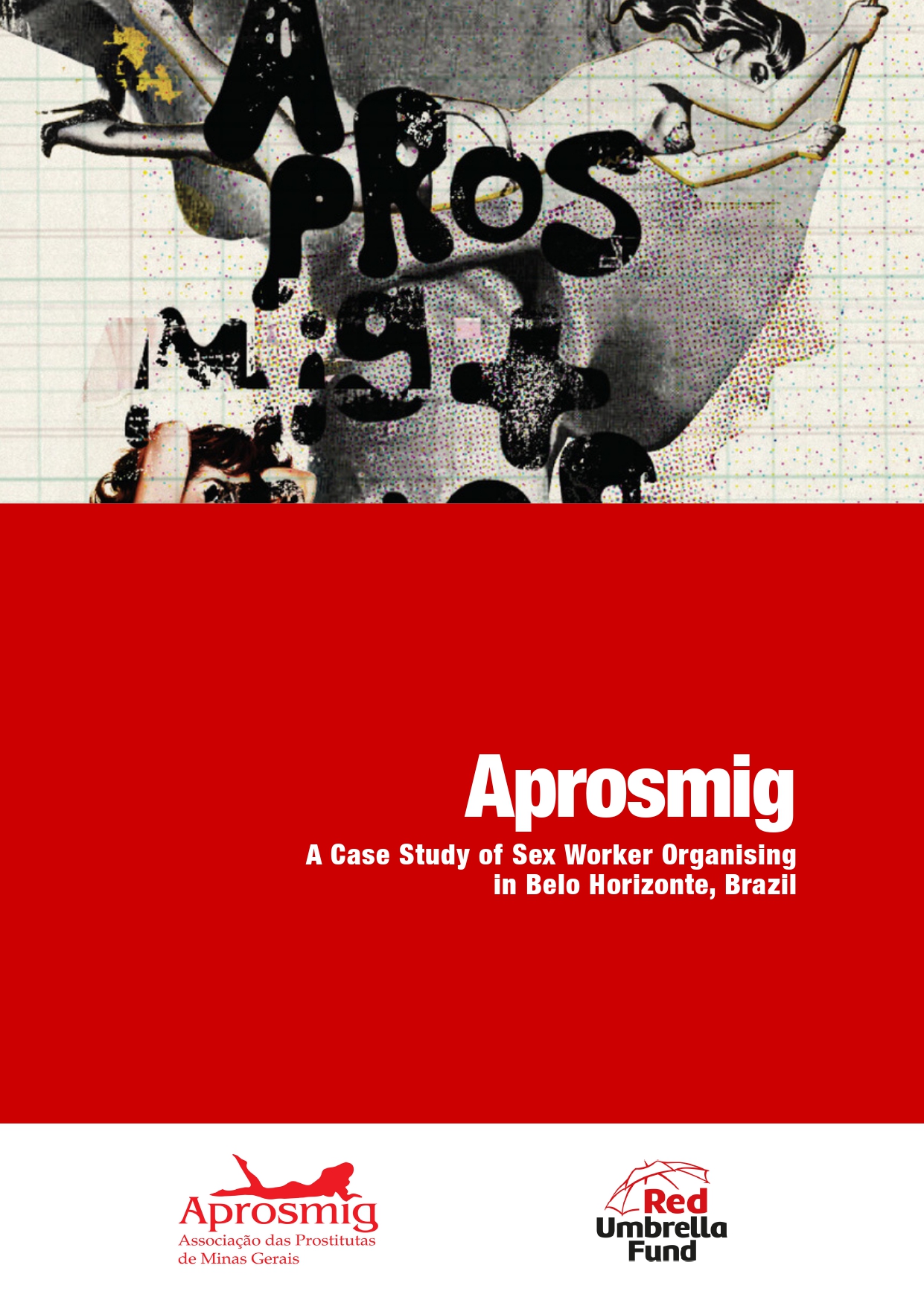
This case study was developed by Heather Larson and designed by Mavi Veloso for the Red Umbrella Fund.
It is based on documents provided by APROSMIG during their grant period with the Red Umbrella Fund, online research, and an interview with Cida Vieira, Maria Aparecida da Silva, and Laura Maria do Espirito Santo.
Learn more: APROSMIG: A Case Study
Посмотреть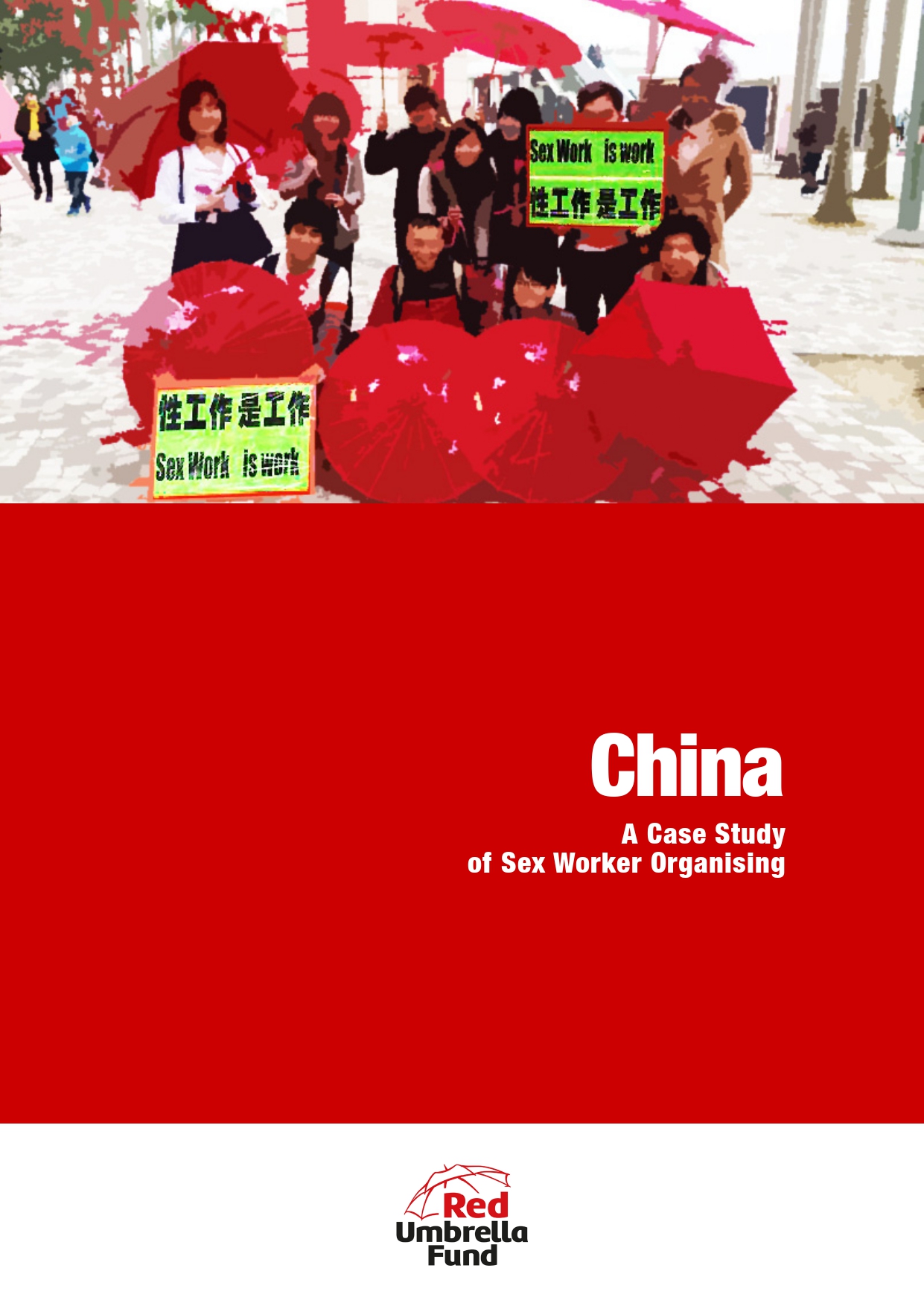
This case study was developed by Heather Larson and designed by Mavi Veloso for the Red Umbrella Fund. It is based on documents provided by the organisation during their grant period with the Red Umbrella Fund, online research, and interviews with two leaders in the organisation.
Learn more: China: A Case Study of Sex Worker Organising
Посмотреть